
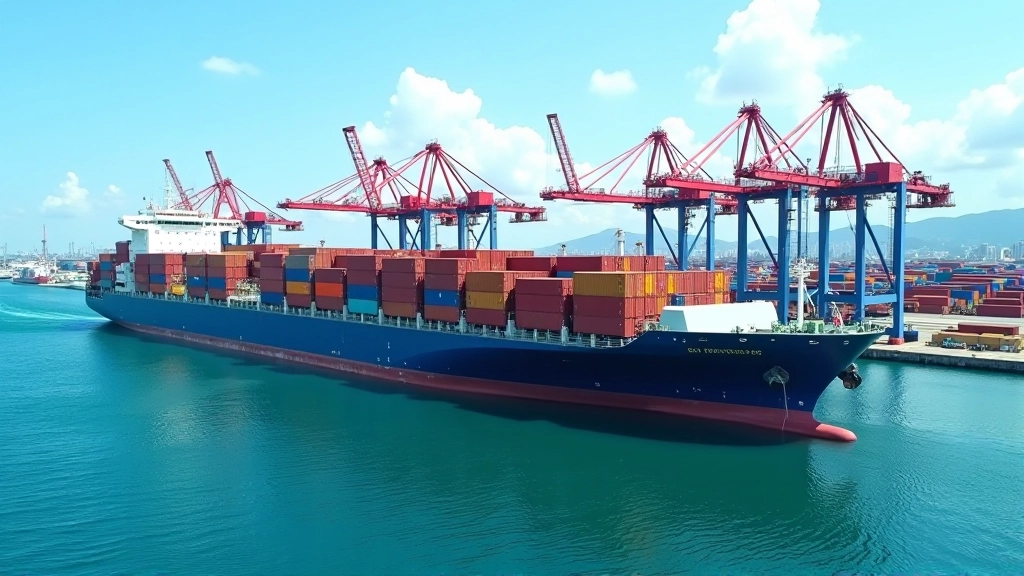
RCEP and CPTPP: How Malaysia Navigates Regional Trade Agreements
Explores Malaysia’s dual membership in these major trade pacts, what they mean for local businesses, and how they reshape Southeast Asian commerce.
Read Full AnalysisUnderstanding trade balances, regional partnerships, and export performance in RCEP and CPTPP frameworks

A strategic position in Southeast Asian commerce
Malaysia maintains strategic trade relationships across continents, serving as a crucial hub for Southeast Asian commerce and connecting regional markets to global supply chains.
Through RCEP and CPTPP membership, Malaysia benefits from multiple trade frameworks that diversify opportunities while reducing dependency on single markets.
From palm oil to semiconductors, Malaysia’s export portfolio spans agriculture, manufacturing, and technology, reflecting economic adaptability and innovation capacity.
As an ASEAN member, Malaysia plays an active role in shaping regional trade policies and supporting broader Southeast Asian economic integration efforts.
Understanding Malaysia’s position in contemporary international commerce
Malaysia’s trade balance reflects its position as a net exporter across multiple sectors. The country manages complex dynamics between export competitiveness, import demands for manufacturing inputs, and currency fluctuations. Understanding these forces helps explain economic trends and policy decisions affecting businesses operating within or trading with Malaysia.
The nation’s trade surplus in recent years demonstrates effective export strategies, though it’s faced challenges from global supply chain disruptions and shifting consumer preferences, particularly regarding sustainable sourcing of natural products.

RCEP and CPTPP shape Malaysia’s trade future
Launched in 2022, RCEP connects Malaysia with major Asian economies including China, Japan, South Korea, and fellow ASEAN members. It’s designed to reduce tariffs, streamline trade procedures, and create unified rules of origin that benefit manufacturers operating across the region.
Malaysia’s CPTPP membership (since 2018) provides access to high-income markets including Canada, Australia, and others. The agreement emphasizes quality standards, intellectual property protection, and labor practices, creating opportunities for Malaysia’s advanced manufacturing sectors.
Malaysia’s primary export sectors and their global significance
Malaysia accounts for roughly 25-30% of global palm oil production, making it one of the world’s leading producers. The sector generates substantial export revenues and employs hundreds of thousands of people across cultivation, processing, and distribution. However, it’s navigated increasing sustainability pressures and competition from Indonesian producers.
Malaysia has established itself as a crucial player in semiconductor assembly and testing. The country hosts facilities for major global chip manufacturers and benefits from skilled labor and strategic location. As demand for semiconductors continues growing, Malaysia’s role in the supply chain becomes increasingly important.
Beyond semiconductors, Malaysia exports diverse manufactured products including electrical equipment, optical instruments, and machinery. This diversification helps insulate the economy from fluctuations in any single sector and supports varied manufacturing capabilities.
Deep dives into Malaysia’s international trade
Explores Malaysia’s dual membership in these major trade pacts, what they mean for local businesses, and how they reshape Southeast Asian commerce.
Read Full Analysis
Analyzes Malaysia’s dominant position in global palm oil trade, market dynamics, environmental considerations, and competition from Indonesia and other producers.
Read Full Analysis
Examines Malaysia’s growing role in semiconductor manufacturing and assembly, supply chain positioning, and competition in the global tech export market.
Read Full AnalysisUnderstanding Malaysia’s trade position
RCEP focuses on Asia-Pacific integration with emphasis on reducing tariffs among regional members. CPTPP emphasizes higher standards and includes developed economies. Malaysia benefits from both — RCEP offers regional market access while CPTPP opens doors to premium markets.
Malaysia competes on volume, efficiency, and established supply chains. However, sustainability certifications and environmental practices increasingly matter to buyers. The sector’s facing pressure to adopt more sustainable practices while maintaining economic viability.
Malaysia has invested in skilled workforce development, manufacturing infrastructure, and strategic location advantages. It hosts assembly and testing facilities for major chip designers, making it essential to global semiconductor supply chains.
Malaysia generally maintains trade surpluses, though this fluctuates with global demand cycles and commodity prices. Regional trade agreements help diversify markets and reduce vulnerabilities to any single economy’s downturns.
Malaysia’s role in regional economic integration
As one of ASEAN’s founding members, Malaysia plays a central role in regional economic cooperation. The bloc represents over 650 million people with combined GDP exceeding $3 trillion, making it a significant economic force globally. Malaysia’s strategic location, developed infrastructure, and economic sophistication position it as a leader within the association.
The country actively participates in ASEAN Free Trade Area (AFTA) initiatives, promoting tariff reduction and trade facilitation among member states. This intra-ASEAN trade strengthens regional supply chains and creates opportunities for businesses operating across borders. Malaysia’s semiconductor, manufacturing, and agricultural sectors benefit substantially from these regional connections.
Whether you’re interested in understanding trade dynamics, exploring partnership opportunities, or researching sector-specific insights, we’ve got comprehensive resources available. Get in touch to discuss your specific interests in Malaysia’s international trade landscape.
Contact Us