
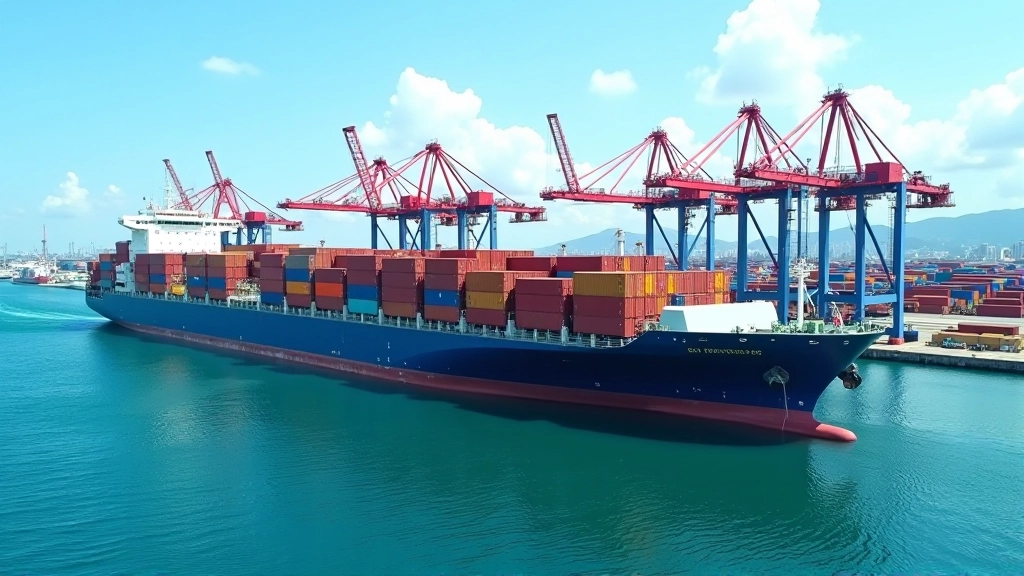
RCEP and CPTPP: How Malaysia Navigates Regional Trade Agreements
Explores Malaysia’s dual membership in these major trade pacts, what they mean for local businesses, and how they reshape Southeast Asian commerce.
Read MoreUnderstanding trade balance dynamics, regional partnerships, and key export sectors shaping Southeast Asia’s economic landscape.
Deep dives into Malaysia’s trade relationships, export performance, and economic positioning in ASEAN.
Explores Malaysia’s dual membership in these major trade pacts, what they mean for local businesses, and how they reshape Southeast Asian commerce.
Read More
Analyzes Malaysia’s dominant position in global palm oil trade, market dynamics, environmental considerations, and competition from Indonesia and other producers.
Read More
Examines Malaysia’s growing role in semiconductor manufacturing and assembly, supply chain positioning, and competition in the global tech export market.
Read More
Comprehensive breakdown of Malaysia’s trade surplus, key trading partners, commodity flows, and how regional relationships influence the nation’s trade position.
Read MoreMalaysia’s strategic location and diversified economy make it a crucial player in Southeast Asian trade. Here’s what shapes the region’s economic dynamics.
As a founding member of ASEAN, Malaysia participates in the ASEAN Free Trade Area (AFTA) which eliminates tariffs among member nations. This regional integration creates preferential access to 650 million people across Southeast Asia. The nation benefits from supply chain networks spanning the entire region, allowing companies to source components and distribute finished goods efficiently across borders.
Positioned along critical sea lanes including the Strait of Malacca — through which roughly 25% of global maritime trade passes — Malaysia serves as a natural hub for logistics and trade. This geographic advantage makes it an ideal location for regional distribution centers, port operations, and transshipment activities that generate significant economic value beyond direct exports.
Malaysia doesn’t rely on a single export. The country ships semiconductors, electronics, palm oil, petrochemicals, machinery, optical instruments, and agricultural products. This diversification reduces vulnerability to commodity price shocks and allows the economy to adapt as global demand patterns shift. Different sectors target different markets and customer bases.
With a large educated workforce trained in engineering, manufacturing, and technology sectors, Malaysia attracts foreign direct investment in high-value industries. This human capital enables the country to compete in advanced manufacturing and technology assembly rather than just basic commodities, supporting higher-margin export activities.