
RCEP and CPTPP: How Malaysia Navigates Regional Trade Agreements
Malaysia’s strategic position in two competing mega-trade blocs shapes the nation’s economic future
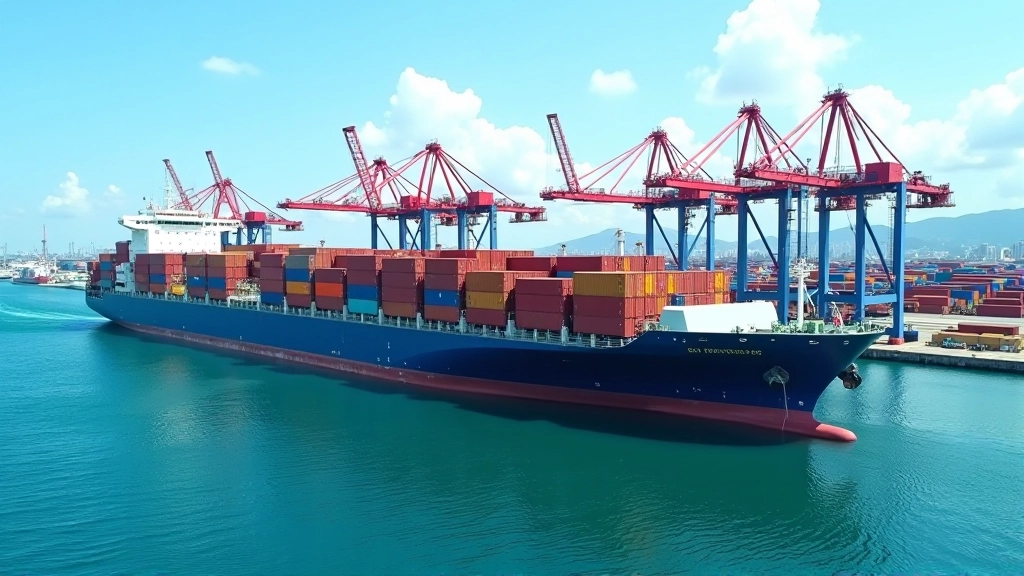
Understanding Malaysia’s Trade Balancing Act
Malaysia isn’t choosing sides — it’s doing something far more strategic. The nation belongs to both the Regional Comprehensive Economic Partnership (RCEP) and the Comprehensive and Progressive Agreement for Trans-Pacific Partnership (CPTPP). That’s not a contradiction. It’s survival strategy in a world where trade blocs reshape economies overnight.
Between palm oil shipments and semiconductor wafers, between Chinese markets and American partnerships, Malaysia navigates a tightrope that most countries would find impossible. But for a nation of 34 million people that punches well above its economic weight, this dual membership isn’t just possible — it’s essential. Here’s how it works.

RCEP: The Asian Economic Engine
The RCEP came into force in January 2022. It covers 2.2 billion people and nearly 30% of global GDP. When you’re Malaysia, that’s not just another trade agreement — that’s your backyard economy.
What makes RCEP different? It’s fundamentally regional. China, Japan, South Korea, Australia, New Zealand, and ten ASEAN countries created a bloc that’s designed around Asian supply chains. Malaysian manufacturers of semiconductors, electronics, and chemicals get preferential access to Chinese markets without the geopolitical friction. Tariffs drop. Bureaucracy shrinks. Business happens faster.
For palm oil producers, RCEP means steadier demand from regional partners. For electronics makers, it means access to critical supply chains within Asia. But here’s the catch — RCEP doesn’t include the United States. That matters when you’re also trying to sell to American companies.


CPTPP: The Pacific Gateway
CPTPP is the inverse strategy. It doesn’t include China, but it does include Canada, Mexico, Vietnam, Chile, and yes — the United States. Joining meant Malaysia had to meet stricter labor standards, intellectual property protections, and environmental requirements. It’s harder. It’s worth it.
Why? Because CPTPP opens doors to American corporations looking to diversify away from China. When you’re a Malaysian semiconductor assembly plant or a rubber processing facility, CPTPP status signals that you meet Western standards. Customers trust it. Regulators approve it. Contracts flow in.
Malaysia joined CPTPP in 2018, making it one of only two ASEAN nations in the agreement alongside Vietnam. That exclusivity creates competitive advantage. It doesn’t guarantee anything, but it opens conversations with multinational corporations that won’t touch markets without these trade protections.
Why Both? The Strategic Calculus
Joining both agreements means Malaysia doesn’t have to bet its future on a single outcome
Market Diversification
RCEP keeps Malaysian companies tethered to Asia’s growth. CPTPP keeps them connected to Western demand. A downturn in one region doesn’t destroy your entire export strategy.
Supply Chain Flexibility
Electronics manufacturers can source components from RCEP partners and still qualify for CPTPP benefits. You’re not locked into one supply chain geography.
Geopolitical Hedging
Malaysia can’t afford to pick between China and the US. Both agreements mean the nation maintains relationships with both economic superpowers without sacrificing either.
Premium Market Access
CPTPP status commands higher prices for quality goods. RCEP status means volume. Together, they create a portfolio strategy: some products go high-margin, others go high-volume.
Where It Matters Most: Palm Oil and Semiconductors
Malaysia’s biggest exports benefit differently from each agreement. Palm oil — Malaysia produces 30% of global supply — gets steady demand from RCEP partners, especially China and India. RCEP tariff reductions mean Malaysian palm can undercut competitors. But there’s scrutiny here too. CPTPP requires environmental standards. Sustainable sourcing isn’t optional anymore.
Semiconductors tell a different story. Malaysia isn’t a chip designer. It’s an assembly hub. RCEP membership means access to rare earth elements and component suppliers across Asia. CPTPP membership means American and European companies trust Malaysian factories to meet their quality standards. Intel, Broadcom, and Qualcomm all operate there. That’s not coincidence.

The Complications Nobody Talks About
Rules of Origin Complexity
Both agreements have “rules of origin” — technical requirements about where a product must be made to qualify for preferential tariffs. If a Malaysian semiconductor assembly plant imports components from a non-CPTPP country, it might lose CPTPP benefits. That’s not a small detail — it reshapes supply chain decisions worth millions.
Labor and Environmental Standards
CPTPP requires higher standards on wages, worker safety, and environmental protection. RCEP is less demanding. Malaysian factories operating in both markets need dual compliance systems. It’s more expensive. It’s necessary.
Political Tension Between Partners
When US-China relations deteriorate, Malaysia gets caught in the middle. The US doesn’t explicitly pressure countries to choose, but trade policy signals matter. Malaysia’s bet is that both sides value stability more than confrontation. That bet could be tested.

What’s Next for Malaysia’s Trade Strategy
The next five years will test Malaysia’s strategy. CPTPP discussions are ongoing about potential US re-entry under new administrations. RCEP deepens as China and Japan improve relations. Malaysia’s role becomes more valuable precisely because it straddles both worlds.
The smart play isn’t picking a winner. It’s becoming indispensable to both. That’s what Malaysia is doing. Whether it works depends on factors no single nation can control — but Malaysia’s positioned itself as well as any developing economy could be. It’s not perfect. It’s pragmatic. And in trade, pragmatism wins.
Information Disclaimer
This article provides educational information about RCEP, CPTPP, and Malaysia’s trade position as of March 2026. Trade agreements, tariff rates, and international relations are subject to change. This content isn’t intended as business advice or investment guidance. For specific decisions about trade strategy, supply chain management, or export compliance, consult with trade lawyers, economists, or government trade officials who can assess your particular circumstances.