RCEP and CPTPP: How Malaysia Navigates Regional Trade Agreements
Explores Malaysia’s dual membership in these major trade pacts, what they mean for businesses, and how regional relationships influence the nation’s trade position.
Read MoreUnderstanding how Malaysia maintains its trade surplus through strategic partnerships, commodity exports, and regional positioning in RCEP and CPTPP agreements

Malaysia’s trade balance tells a compelling story about economic diversification and strategic positioning in Southeast Asia. The country consistently maintains a trade surplus, exporting goods valued significantly higher than its imports. It’s not just about raw numbers—the composition of those exports reveals how Malaysia has evolved from a commodity-dependent economy into a sophisticated trading hub.
The nation’s trade dynamics reflect careful navigation between traditional strengths like palm oil and rubber, and emerging sectors like semiconductors and electronics. China, Singapore, and the United States rank among Malaysia’s top trading partners, but increasingly, regional trade within ASEAN and beyond—through RCEP and CPTPP—shapes the country’s economic trajectory. We’re seeing a fundamental shift in how Malaysian businesses source inputs, manufacture products, and reach final consumers.
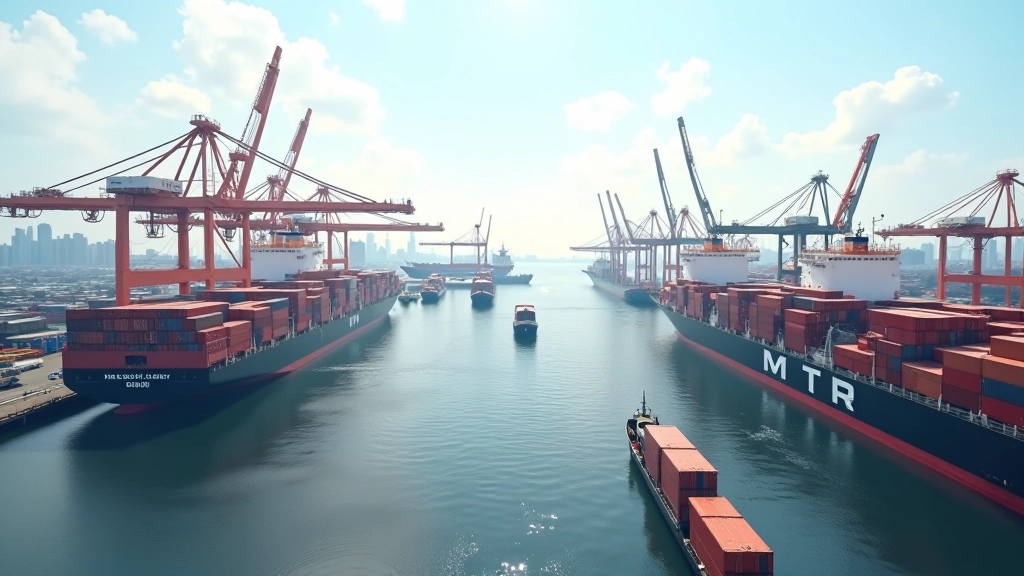
Malaysia’s trade surplus has grown substantially over the past decade. The country exported approximately USD 400 billion in goods while importing around USD 320 billion annually—creating a consistent surplus position. This isn’t accidental. It results from deliberate industrial policies, investment in manufacturing infrastructure, and strategic participation in regional trade agreements.
The surplus emerges across multiple sectors simultaneously. Electronics and electrical equipment comprise roughly 40% of total exports. Chemicals and chemical products account for another 15%. Palm oil and related products—despite sustainability pressures—still represent significant export value. When you combine these categories, you’re looking at a diversified export base that doesn’t rely on any single commodity.


Palm oil remains Malaysia’s signature agricultural export, despite growing environmental scrutiny. The country produces roughly 58% of the world’s palm oil, and it’s not just crude oil—Malaysia exports refined products, derivatives, and specialty chemicals derived from palm. This sector generates enormous trade value, even though the volume hasn’t increased dramatically in recent years.
But here’s what’s shifted: demand patterns. India, China, and Indonesia represent the largest markets for Malaysian palm oil. Yet sustainable sourcing requirements from European and North American buyers have forced Malaysian producers to invest heavily in certification and traceability systems. Don’t underestimate this—it’s reshaping supply chains and affecting profit margins across the industry.
Rubber exports continue alongside palm oil, though with declining volumes. Cocoa, tropical fruits, and spices add diversity but smaller absolute value. The real trend here is consolidation—larger, more efficient producers capturing market share while smaller operations struggle with sustainability requirements.
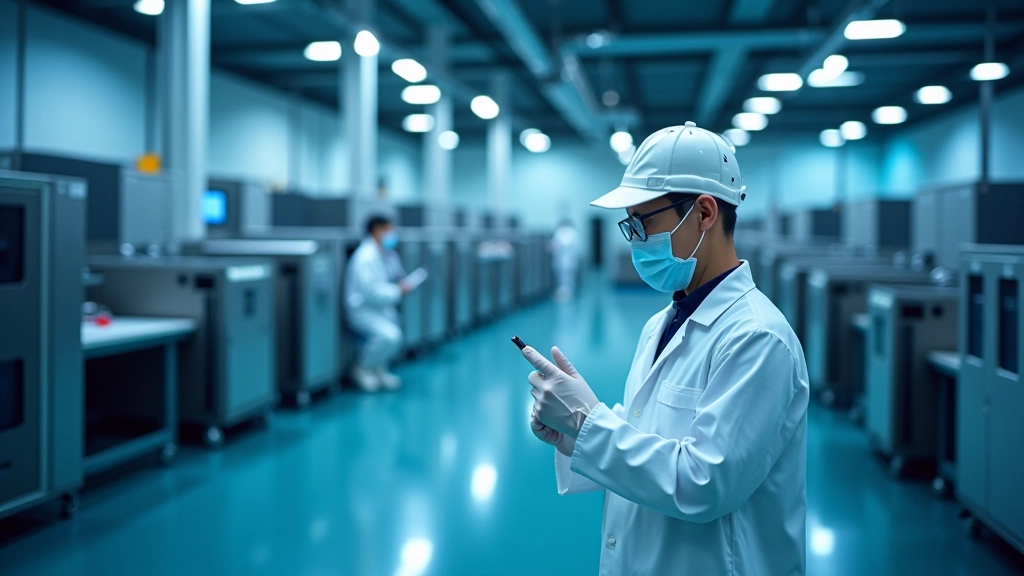
Malaysia’s semiconductor sector represents the country’s most dynamic growth story. The nation hosts major assembly and test facilities for leading global chipmakers. Companies like Intel, AMD, and various Asian semiconductor manufacturers operate substantial operations here. Malaysia’s semiconductor exports have surged over the past five years, driven by global demand for consumer electronics, automotive chips, and data center processors.
What makes Malaysia attractive for semiconductor operations? Skilled labor, established manufacturing infrastructure, reliable power supply, and proximity to regional markets. Penang, in particular, has become a semiconductor hub—sometimes called the “Silicon Valley of Malaysia.” The sector now represents one of the country’s highest-value export categories, with shipments valued at over USD 35 billion annually.
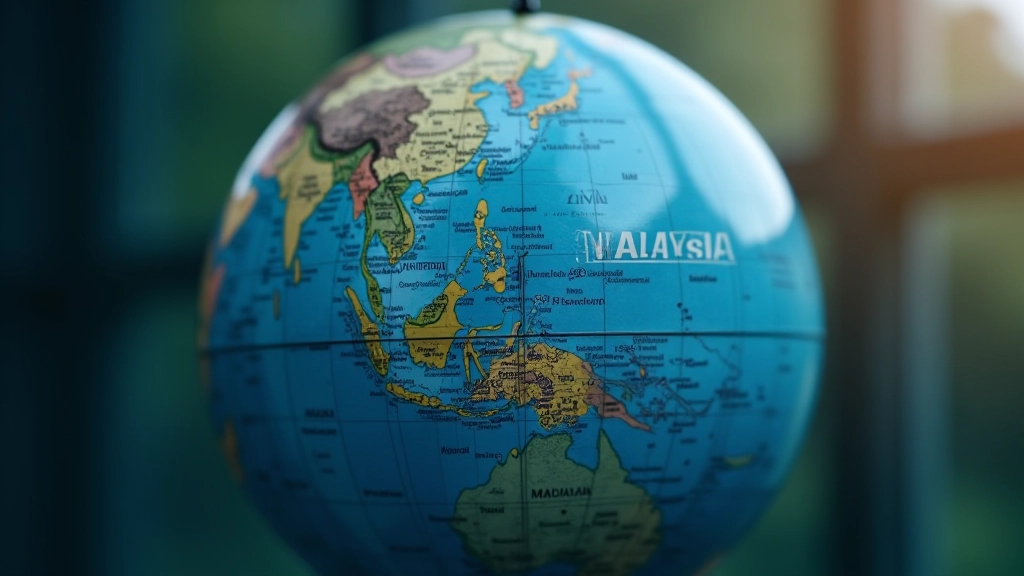
Malaysia’s participation in the Regional Comprehensive Economic Partnership (RCEP) fundamentally changed regional trade dynamics. The agreement—which includes China, Japan, South Korea, ASEAN nations, Australia, and New Zealand—eliminates tariffs on 90% of goods. For Malaysia, this means easier market access for semiconductors, electronics, and chemicals across a combined GDP of approximately USD 26 trillion.
The Comprehensive and Progressive Agreement for Trans-Pacific Partnership (CPTPP) offers complementary opportunities. Malaysia benefits from improved access to markets like Japan, Canada, Vietnam, and Australia. The CPTPP emphasizes intellectual property protection and labor standards, which actually favors sophisticated manufacturers like those in Malaysia’s semiconductor sector.
What’s fascinating is how these agreements work together. RCEP reduces costs for sourcing components from regional suppliers. CPTPP opens premium markets willing to pay for high-quality, standards-compliant products. Malaysian companies aren’t just passively participating—they’re actively leveraging both frameworks to optimize supply chains and market reach.
The composition of Malaysia’s trading relationships reveals how interconnected the global economy has become. No single partner dominates—instead, Malaysia maintains substantial trade volumes with multiple countries across different regions.
Largest bilateral trade partner with over USD 150 billion in annual trade. Imports of raw materials and machinery dominate, while electronics and chemicals flow outbound. Trade relationship continues expanding despite global tensions.
Critical regional hub with USD 130+ billion in annual trade. Singapore serves as transshipment point and financial center. Refined petroleum and electronics comprise major bilateral flows. Deep regional integration.
Substantial trading relationship worth approximately USD 70 billion annually. Semiconductors and electronics represent primary exports. Technology and specialized machinery comprise primary imports. Strategic importance extends beyond trade volumes.
Major technology and manufacturing partner with USD 50+ billion in trade. Japanese companies operate significant manufacturing facilities. Chemicals, machinery, and automotive components flow both directions.
Key ASEAN partner with growing trade volumes. Supply chain integration for automotive and electronics sectors deepening. Intra-ASEAN trade accelerating through regional agreements.
Growing trading relationship centered on palm oil exports and chemical products. India represents crucial market for agricultural commodities. Trade volumes expanding as Indian economy grows.
Malaysia’s trade balance reflects a country in transition. The shift from commodity dependence toward manufactured goods—especially semiconductors and electronics—positions Malaysia well for sustained economic growth. The trade surplus isn’t merely a statistical advantage; it represents real competitive strengths in manufacturing efficiency, regional connectivity, and workforce capabilities.
Regional trade agreements like RCEP and CPTPP aren’t just bureaucratic frameworks—they’re reshaping how Malaysian companies compete globally. By participating in both agreements, Malaysia has positioned itself at the intersection of multiple supply chains and market opportunities. The semiconductor sector exemplifies this advantage. Palm oil, despite challenges, remains economically significant.
Looking ahead, Malaysia faces both opportunities and challenges. Sustainability pressures on agricultural exports demand investment in certification and traceability. Competition for semiconductor manufacturing intensifies as other countries develop capabilities. Supply chain diversification accelerates as companies seek alternatives to concentrated regional production. Yet Malaysia’s established infrastructure, skilled workforce, and strategic positioning provide substantial advantages. The trade balance will likely remain positive, though the composition of that balance will continue evolving toward higher-value manufactured goods and services.
This article presents informational analysis of Malaysia’s trade dynamics based on available economic data and public sources. Trade figures and partnerships evolve continuously based on market conditions, policy changes, and global economic trends. The information provided is for educational purposes to understand international trade concepts and Malaysia’s economic position. For specific investment decisions, trade negotiations, or policy implementation, consult relevant trade authorities, economists, and qualified professionals. This content does not constitute financial advice or trade recommendations.