
TradeFlow Asia Sdn Bhd: Navigating Global Trade
We’re specialists in international trade analysis, market intelligence, and export strategy. Our team helps businesses understand complex trade partnerships, regional economics, and supply chain dynamics across ASEAN and beyond.
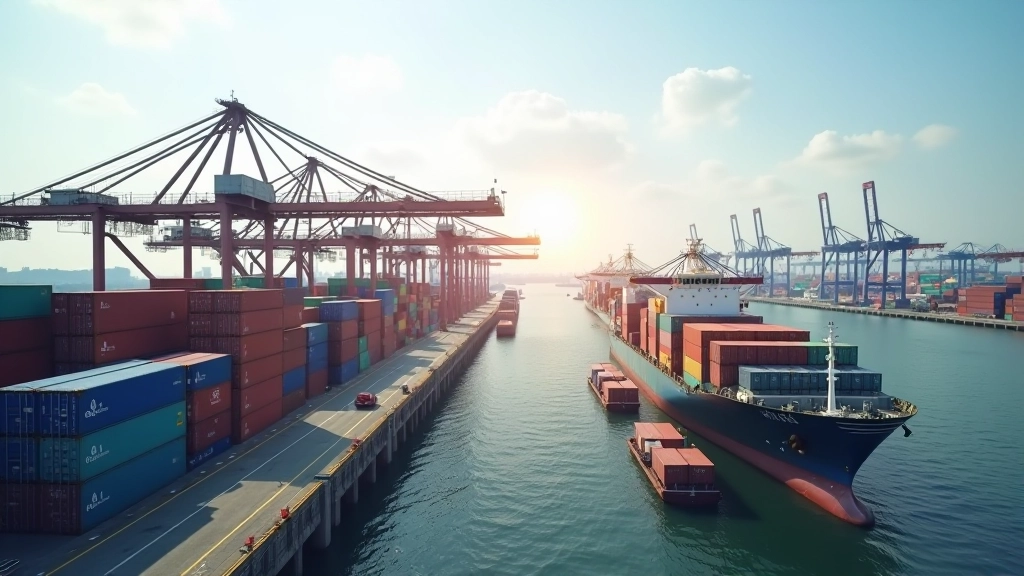
Malaysia’s Role in Regional Trade
We’ve spent years studying how Malaysia positions itself within ASEAN and the broader global trade ecosystem. The data tells a fascinating story about competitiveness, specialization, and economic growth.
Malaysia’s economy is built on trade. We’re not just observers—we’ve analyzed decades of trade balance data, tracked how export volumes shift across commodity cycles, and understood what drives real growth in emerging markets. From rubber and palm oil to semiconductors and electronics, Malaysia’s export profile reflects strategic diversification.
The country’s trade relationships matter more now than ever. We study how tariff policies, regional partnerships, and supply chain reshuffling affect actual business outcomes. It’s not academic—it’s practical intelligence that shapes investment decisions and strategy.
What makes Malaysia interesting is the transition happening right now. Traditional commodity exports remain vital. But semiconductor manufacturing, electronics assembly, and technology-driven sectors are growing rapidly. We track both trends because they’re both important to understanding the real economy.

What We Specialize In
TradeFlow Asia Sdn Bhd focuses on the areas that matter most to understanding Malaysia’s trade landscape and export performance.
Trade Balance Analysis
We analyze Malaysia’s trade flows—exports versus imports, sectoral breakdowns, and year-over-year trends. Understanding trade balance isn’t just about numbers. It reveals competitive advantages, resource dependencies, and economic vulnerabilities that matter for strategy.
Regional Partnerships
RCEP and CPTPP aren’t just acronyms—they’re reshaping trade rules across the region. We track how these agreements affect tariffs, market access, and competitive positioning. The impact on Malaysian exporters is substantial and constantly evolving.
Commodity Export Performance
Palm oil isn’t just a commodity—it’s a major export driver with global impact. We analyze production cycles, price dynamics, market demand, and sustainability factors that affect export volumes and competitiveness in international markets.
Semiconductor Sector
Malaysia is a major semiconductor manufacturing hub. We track production trends, supply chain dynamics, technological shifts, and how geopolitical factors affect this critical sector. The data shows rapid evolution and growing strategic importance.
RCEP and CPTPP: What They Mean
Regional trade agreements aren’t background noise—they fundamentally reshape how companies compete and where goods move. We’ve analyzed how both RCEP and CPTPP affect Malaysia’s trade dynamics and export opportunities.
RCEP Framework
The Regional Comprehensive Economic Partnership connects Malaysia with 10 ASEAN nations plus China, Japan, South Korea, Australia, and New Zealand. We track tariff reductions, rules of origin changes, and how this mega-agreement affects manufacturing and agricultural exports. The data shows significant opportunities for Malaysian exporters in key sectors.
CPTPP Participation
The Comprehensive and Progressive Agreement for Trans-Pacific Partnership gives Malaysia access to major markets including Japan, Canada, and Vietnam. We analyze how CPTPP provisions on intellectual property, labor standards, and environmental requirements affect different sectors. Some opportunities are immediate; others require strategic adaptation.
Competitive Positioning
Both agreements create winners and challenges sectors. We’ve studied which Malaysian industries benefit most from reduced tariffs, improved market access, and harmonized standards. The semiconductor and electronics sectors show particularly strong positioning under these frameworks.
Understanding Malaysia’s Export Engines
Malaysia’s export economy runs on multiple engines. We don’t just look at individual products—we understand the interconnected systems that drive competitiveness across sectors.
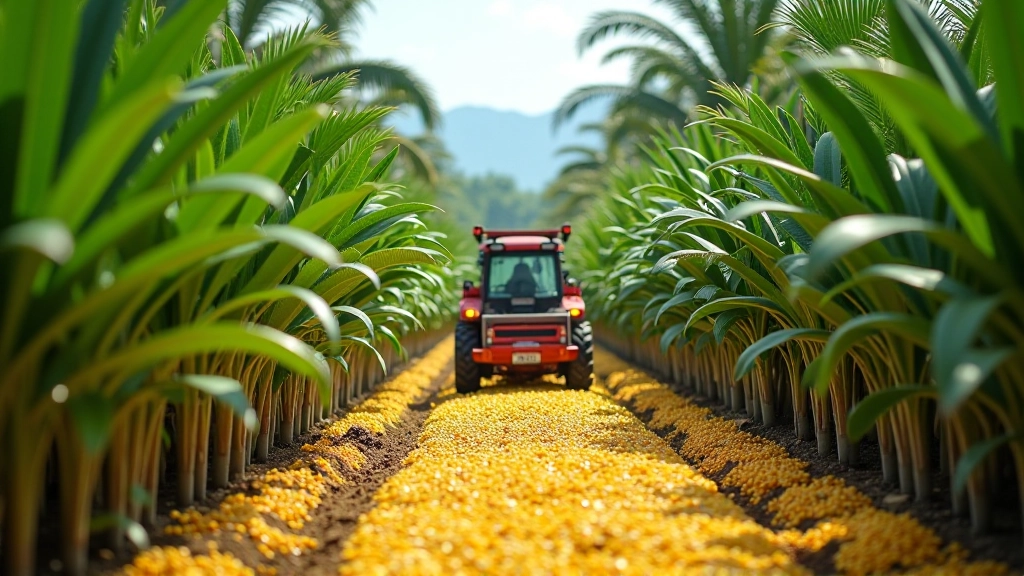
Palm oil remains critical to Malaysia’s export profile. We track production volumes, price cycles, and market demand patterns. But we’re not ignoring the sustainability conversation—that’s reshaping buyer preferences and market access in ways that matter operationally. The data shows Malaysia adapting, though challenges persist.
Semiconductors tell a different story. This sector has grown explosively. Malaysia hosts major semiconductor manufacturing operations, assembly facilities, and testing operations. Supply chain resilience, technological advancement, and geopolitical positioning all affect export performance. We monitor capacity utilization, technology nodes, and customer concentration.
The bigger picture? Diversification is real. Beyond these flagship sectors, Malaysia exports electrical machinery, chemicals, plastics, and refined products. Each sector has different dynamics, different markets, and different growth trajectories. Understanding the whole ecosystem matters for predicting trade trends and identifying opportunities.
“Trade data doesn’t lie. When you understand what Malaysia exports, where it goes, and why buyers choose Malaysian products, you’re reading the economy’s real story. That’s what we deliver.”
— TradeFlow Asia Sdn Bhd Research Team
Important Information
The information presented on this website is intended for educational and informational purposes only. It provides analysis of international trade dynamics, regional economic partnerships, and export market data based on publicly available sources and TradeFlow Asia Sdn Bhd’s research. Trade conditions, tariff policies, and market dynamics change regularly, and past performance or historical trends don’t guarantee future outcomes. Individual export performance depends on numerous factors including company capability, product quality, market access, pricing strategy, and external economic conditions. We encourage all users to conduct thorough research, verify current data, and consult with qualified trade experts, economists, or business advisors before making significant trade or investment decisions. TradeFlow Asia Sdn Bhd’s analyses represent informed perspectives but should complement, not replace, professional guidance specific to your situation.