
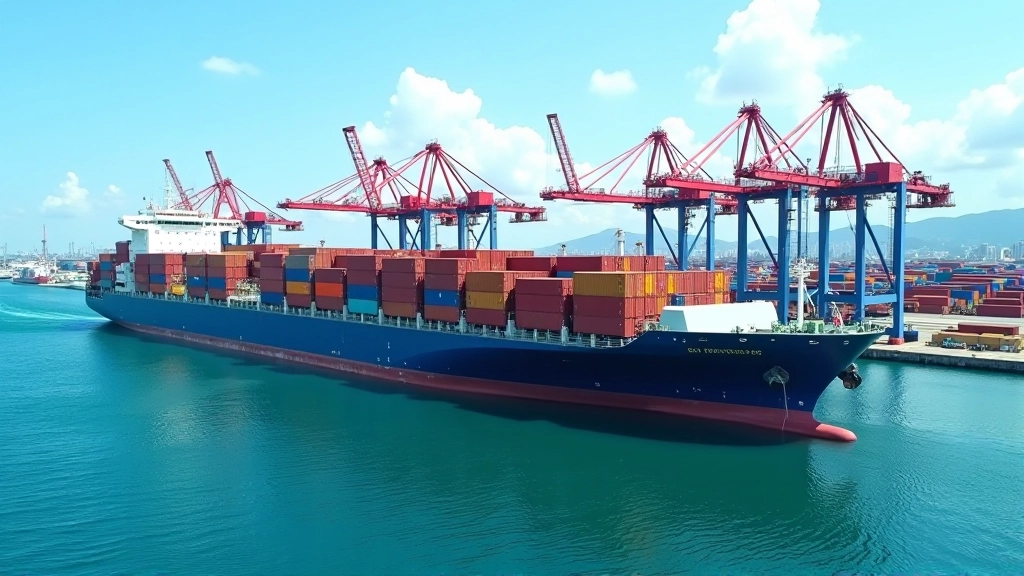
RCEP and CPTPP: How Malaysia Navigates Regional Trade Agreements
Explores Malaysia’s dual membership in these major trade pacts, what they mean for export competitiveness, and how they reshape ASEAN trade dynamics.
Read MoreHow Malaysia dominates global palm oil trade while facing environmental scrutiny, competition, and market transformation
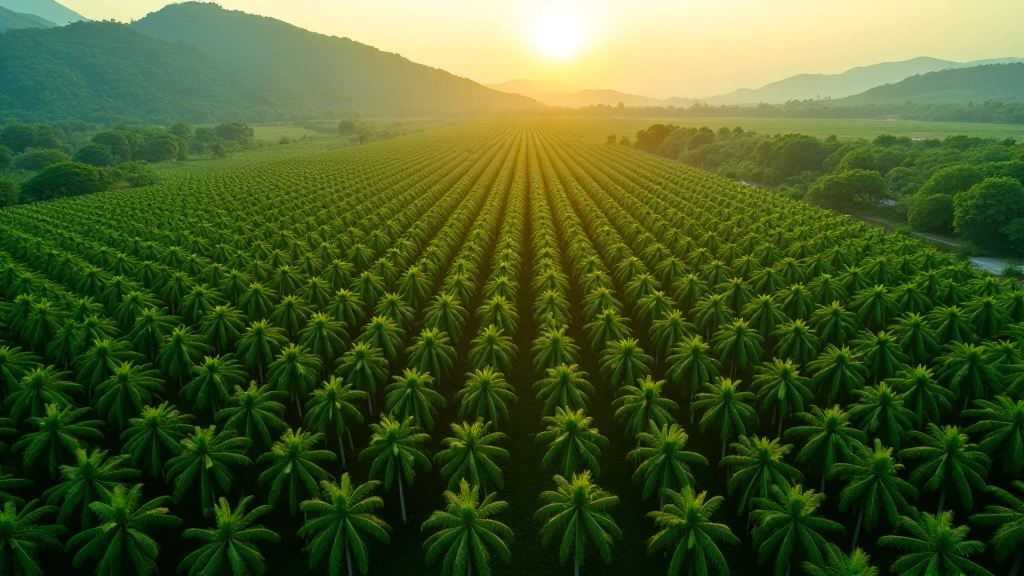
Malaysia’s palm oil industry isn’t just an export business — it’s a cornerstone of the country’s economy. For decades, this tropical nation has held roughly 40% of the world’s palm oil supply, generating billions in annual revenue and employing hundreds of thousands of people across plantations, mills, and export facilities.
But the story’s become more complicated. Rising environmental concerns, Indonesian competition, shifting consumer preferences, and new trade dynamics are reshaping how Malaysia’s oil palm sector operates. It’s a sector that’s thriving economically yet facing unprecedented pressure from multiple directions at once.
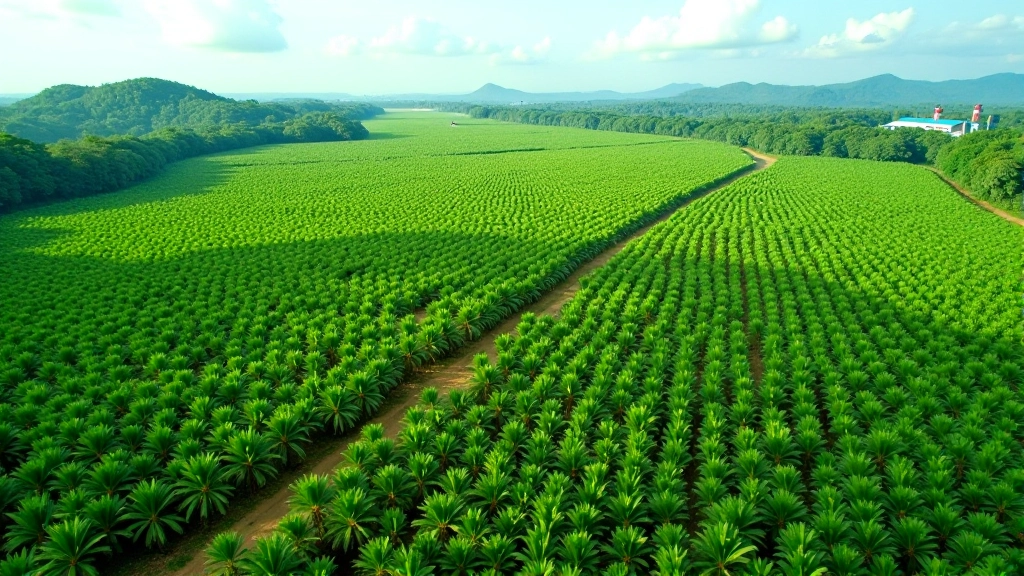

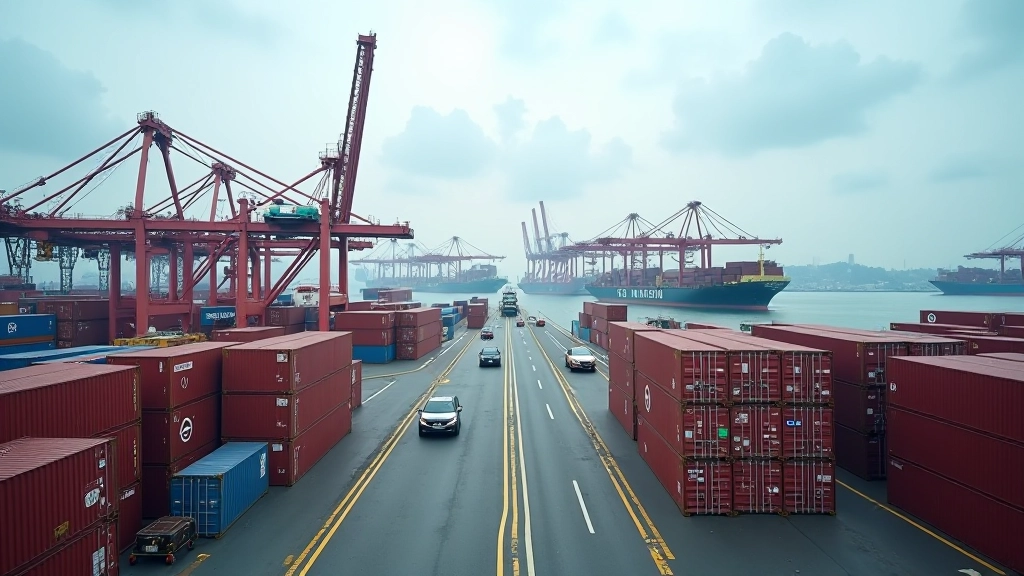
Malaysia exports roughly 17-18 million tonnes of palm oil annually, making it the world’s second-largest producer after Indonesia. The export value hovers around $10-12 billion yearly, representing nearly 3% of Malaysia’s total merchandise exports. That’s significant for any single commodity.
What makes this even more impressive? The sector’s multiplier effect. For every tonne of oil produced, there’s processing, refining, shipping, and value-added products like biodiesel, cosmetics, and pharmaceutical ingredients. The industry supports roughly 500,000 people directly and another 2-3 million indirectly through supply chains and related services.
Here’s where things get complicated. Palm oil production requires large land areas, and expansion has historically come at the cost of rainforests and peatlands. Deforestation concerns aren’t just environmental — they’ve become trade issues. The European Union’s proposed regulations on deforestation-linked commodities have already influenced how Malaysian producers operate.
Malaysia’s response has been twofold. The Roundtable on Sustainable Palm Oil (RSPO) certification now covers over 70% of Malaysian palm oil production. Companies are investing in higher-yield farming techniques to produce more on less land. There’s also increased focus on waste utilization — palm kernel shells and empty fruit bunches are now converted into energy and biofertilizers.
“Sustainability isn’t a burden for the palm oil industry — it’s becoming a competitive requirement. Buyers want certified, traceable, responsibly-sourced palm oil.”
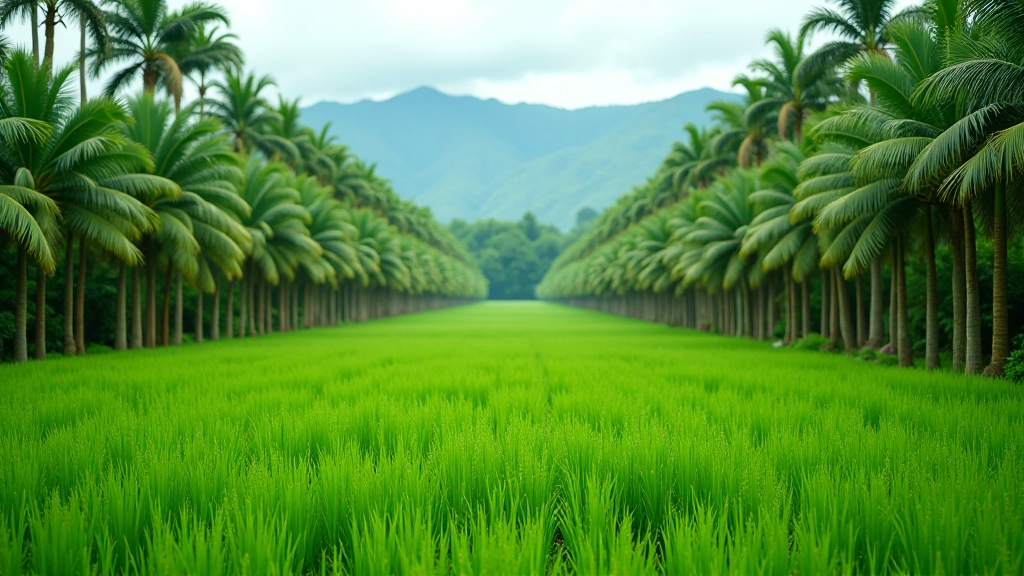

Indonesia doesn’t just compete with Malaysia — it’s increasingly outpacing it. Indonesia now produces about 60% of global palm oil and has been expanding aggressively. With larger plantations and lower production costs in some regions, Indonesian producers are capturing market share, especially in price-sensitive markets.
Malaysia’s response has been to focus on quality and sustainability rather than volume. Malaysian palm oil commands premium prices in many markets because of certification standards, reliability, and food-safety protocols. It’s a strategy that works for high-value markets but requires consistent investment in standards and innovation.
Plus, Malaysia’s palm oil sector is maturing. Replanting cycles are taking older plantations out of production temporarily. Land constraints mean expansion is difficult. So instead of fighting Indonesia on volume, Malaysia’s betting on becoming the premium supplier — and so far, it’s working.
Malaysia’s membership in RCEP (Regional Comprehensive Economic Partnership) and CPTPP (Comprehensive and Progressive Agreement for Trans-Pacific Partnership) is opening new doors and creating new challenges. RCEP gives Malaysia preferential access to massive markets in Southeast Asia, China, Japan, and South Korea. That’s roughly 2.3 billion people with growing demand for palm oil and palm-based products.
But CPTPP is trickier. It includes environmental standards and labor requirements that push Malaysian producers toward higher compliance costs. The EU’s proposed Carbon Border Adjustment Mechanism (CBAM) also threatens to affect palm oil exports if they’re deemed too carbon-intensive. These aren’t minor details — they directly affect pricing and competitiveness.
Preferential tariffs on palm oil exports to 10 ASEAN nations plus 5 major Asian economies. Streamlined logistics and reduced trade friction.
Higher environmental and labor standards required. Compliance costs increase but market access to developed economies improves significantly.
The industry’s future hinges on three major shifts. First is technology. Precision agriculture, AI-powered yield optimization, and genetic improvements are helping producers get more from existing land. Second is value addition. Rather than exporting raw crude palm oil, Malaysia’s increasingly refining it locally into specialty fats, cosmetics, and pharmaceutical ingredients — capturing more value in the process.
Third is diversification. Some companies are exploring alternative crops and products on the same land. Intercropping with other valuable plants, developing palm-based bioplastics, and investing in palm-based renewable energy are all gaining traction. It’s not abandoning palm oil — it’s making the industry more resilient and sustainable.
The reality? Malaysia’s palm oil sector won’t disappear. Global demand for vegetable oils keeps growing. But it’ll transform. Smaller volumes, higher standards, premium pricing, and greater sustainability focus. It’s not the growth story of the 1990s and 2000s, but it’s a more defensible position for the long term.
Malaysia’s palm oil sector is genuinely impressive — decades of consistent exports, global market dominance, and deep expertise. But that dominance isn’t guaranteed forever. Indonesia’s scale, changing consumer preferences, tightening environmental regulations, and new trade dynamics mean Malaysia’s got to stay innovative and committed to quality.
The sector’s under pressure, absolutely. But it’s also evolving. Better practices, higher standards, technology investments, and premium positioning aren’t signs of weakness — they’re how mature industries survive and thrive. Malaysia’s palm oil sector isn’t in decline. It’s in transition. And that’s actually a healthier position than it might look from the outside.
This article is for educational and informational purposes only. It presents analysis and perspectives on Malaysia’s palm oil export sector based on publicly available information, industry reports, and trade data. Market conditions, trade policies, and industry dynamics are subject to rapid change. The statistics and trends discussed represent conditions as of March 2026 and may shift due to geopolitical factors, environmental regulations, or market demand fluctuations. This isn’t investment advice, trade guidance, or strategic business counsel. For specific business decisions or investment considerations related to the palm oil sector, consult with trade experts, economists, or industry specialists who can assess your particular circumstances.